24 November 2026
Perennial Flowers for a Reliable Home Supply
Presented by @vaseguide95
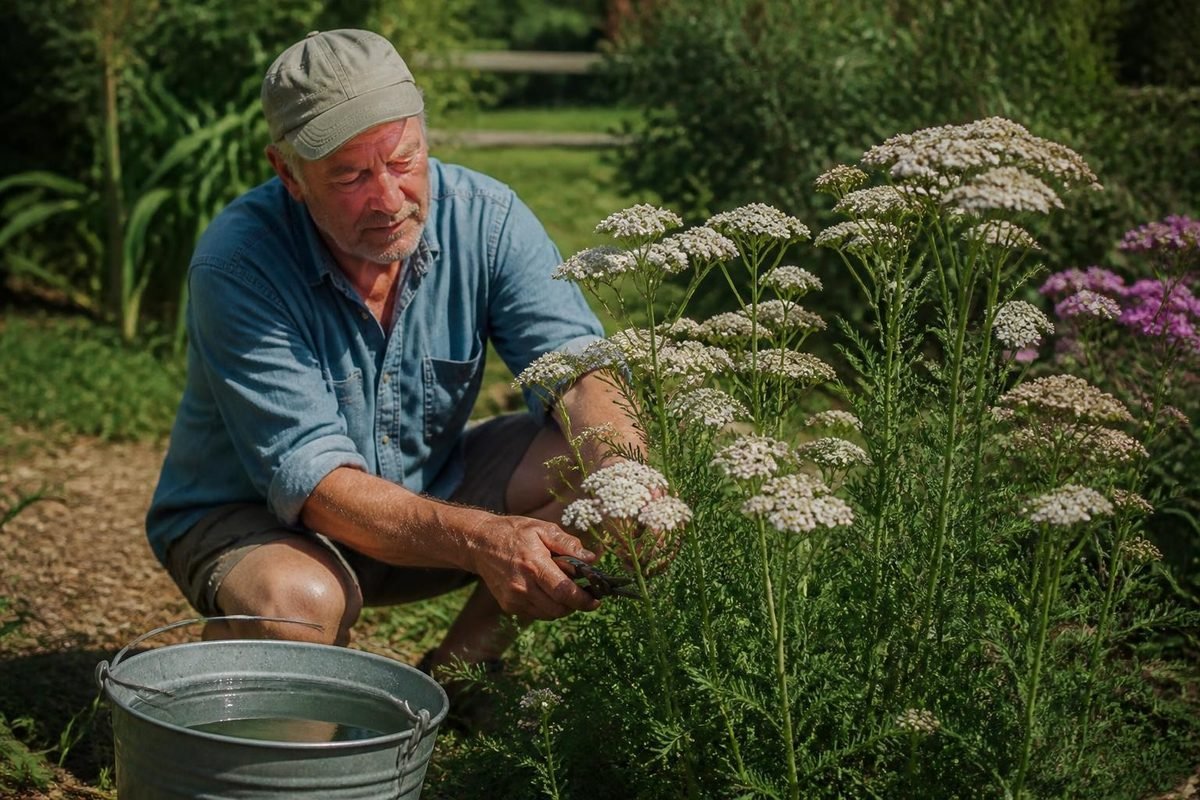
Yarrow, coneflower, garden phlox and peony can provide cut flowers for home arrangements over several years. Growing these plants nearby limits transport, while thoughtful harvesting helps them remain productive.
Perennials to grow for cut stems
Start with flowers suited to your local climate, soil and light, rather than choosing plants on appearance alone. Combining varieties that flower at different times can extend the period when you have stems to cut.
- Peony: Large flowers in spring can give an arrangement a full look with just a few stems. In a suitable location, a peony plant may live for many years.
- Yarrow: Its broad, flat flower clusters bring a different shape to arrangements, and the flowers can be dried. Choose a sunny site with soil that drains well.
- Coneflower: The raised centers and spreading petals suit informal summer displays. Leave some flower heads outdoors to support wildlife and allow seeds to remain in the garden.
- Garden phlox: Clusters of summer flowers add color, and some varieties are fragrant. Leave enough space around the plants for air to circulate among the leaves.
- Autumn flowering asters: Their small, daisy shaped flowers can provide stems late in the season. The blooms also supply nectar for pollinators.
Harvest without weakening the plants
Cut with clean, sharp snips, and select stems that are healthy. Where possible, make each cut just above a leaf or side shoot. Avoid removing every flower from a young plant, and give a newly planted perennial time to build its roots before taking many stems.
Pick flowers during the cooler morning hours and put them into water soon after cutting. Keep some blooms in the garden for insects, and leave seed heads where suitable. They can feed birds or provide shape in the garden during winter.
Establish a cutting bed with modest care
Choose a location according to each plant’s needs instead of expecting all flowers to thrive in identical conditions. Sun exposure, soil drainage and winter temperatures can affect which perennials will do well. Local extension services and plant nurseries can help you find species suited to your area.
Water newly planted perennials while they settle in. Once established, check the soil and decide when to water based on the plant and current conditions, rather than following a rigid timetable. Organic mulch can conserve soil moisture and reduce weeds. Keep the mulch clear of the crowns of the plants.
Keep arrangements fresh at home
Begin with a clean vase, and remove any leaves that would be under the water. Trim the stems again before placing them in fresh water. Replace the water regularly, and set the arrangement away from direct sunlight and sources of heat.
Combine fresh flowers with dried yarrow or durable foliage from the garden. Compost faded flowers if that suits your setup. Reusing a vase and cutting flowers from your own garden can reduce both packaging and waste.
Common questions about cutting perennials
Do perennial flowers bloom again after you cut them?
Some kinds produce additional flowers after cutting, while others flower only once in a season. The result depends on the species and its growing conditions.
Is it all right to cut flowers from a plant in its first year?
You can take a small number of stems, but leave most flowers in place so the young plant can direct more energy toward getting established.
Do cut flower perennials require full sun?
Many commonly grown cutting flowers prefer full sun, but the amount of light needed differs among plants. Check each plant’s requirements before deciding where to grow it.
On the same subject: Polish community in Vienna